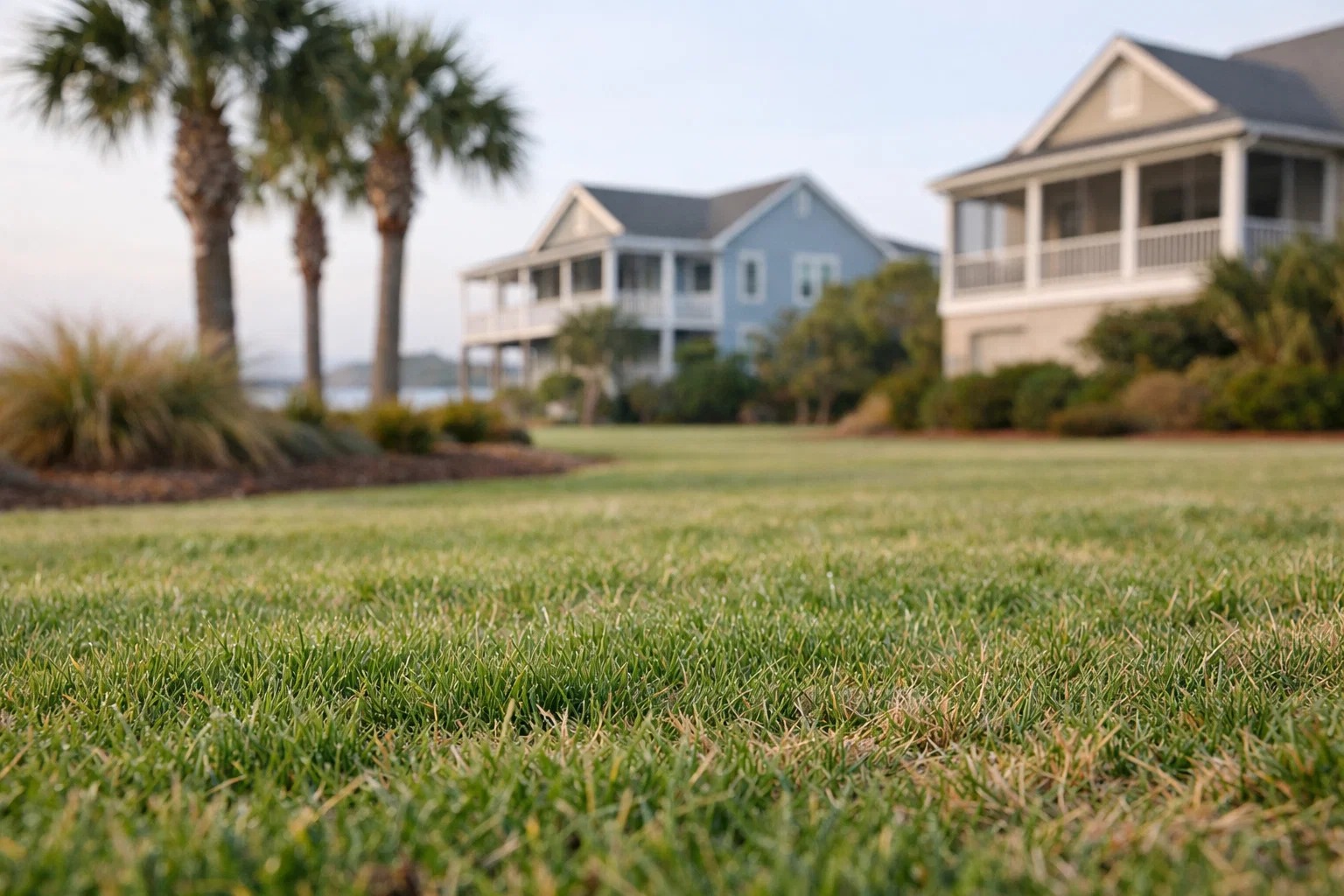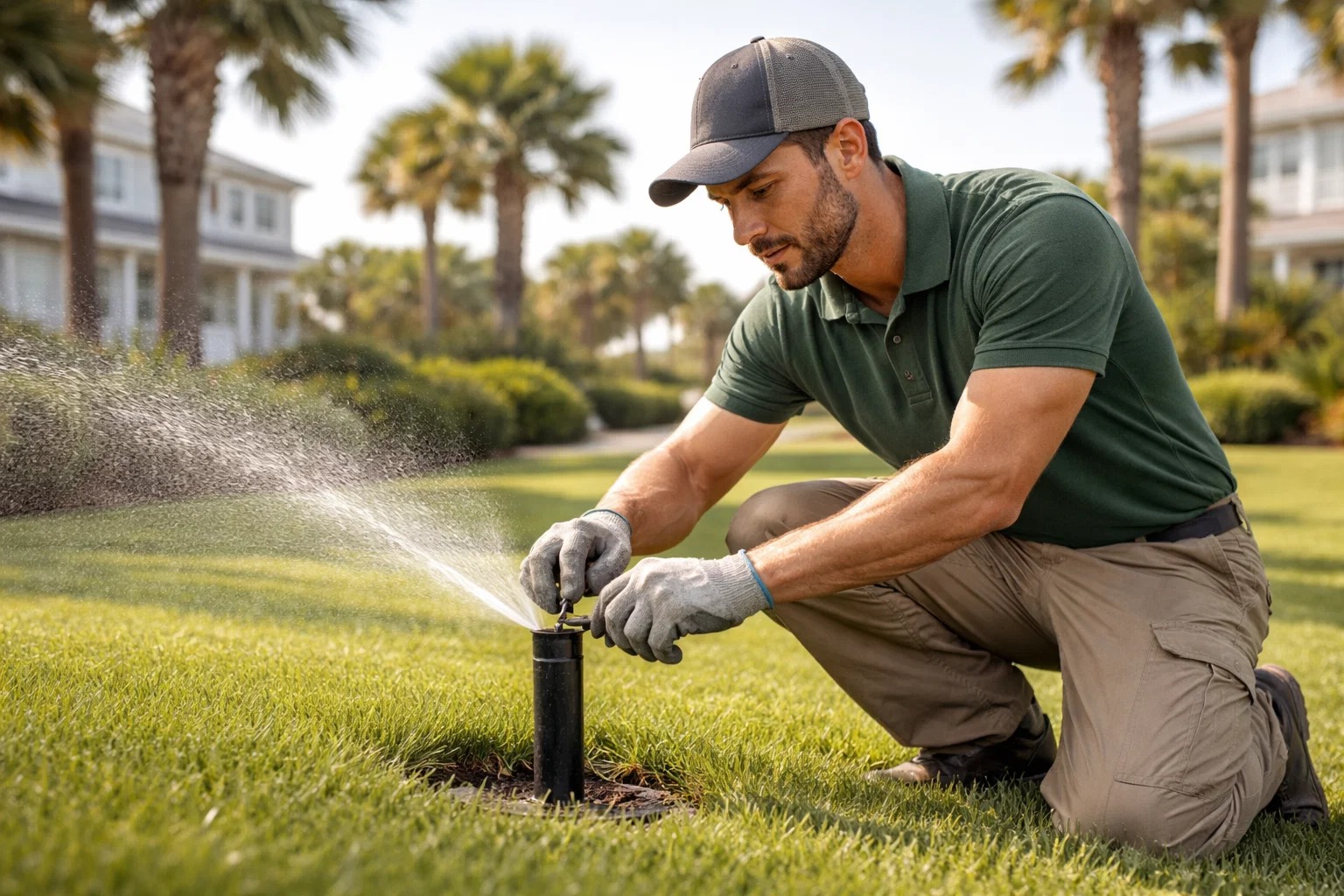

Most North Myrtle Beach homeowners think about fall lawn recovery in September, when the visible problems are already well-established and the options have narrowed. The homeowners whose lawns look the best in October — with dense, even turf heading into the cooler months — started thinking about fall recovery in July, while there was still time to build toward it rather than just react to it.
At KeckCo Turf and Ornamental Services, fall planning starts in late summer precisely because the decisions made now determine how much recovery work is needed — and how successful it will be — when the critical fall window opens in September. Here is what to assess, what to plan, and what to act on now so your lawn heads into fall in the best possible position.
Assessing Your Lawn’s Current Condition Honestly
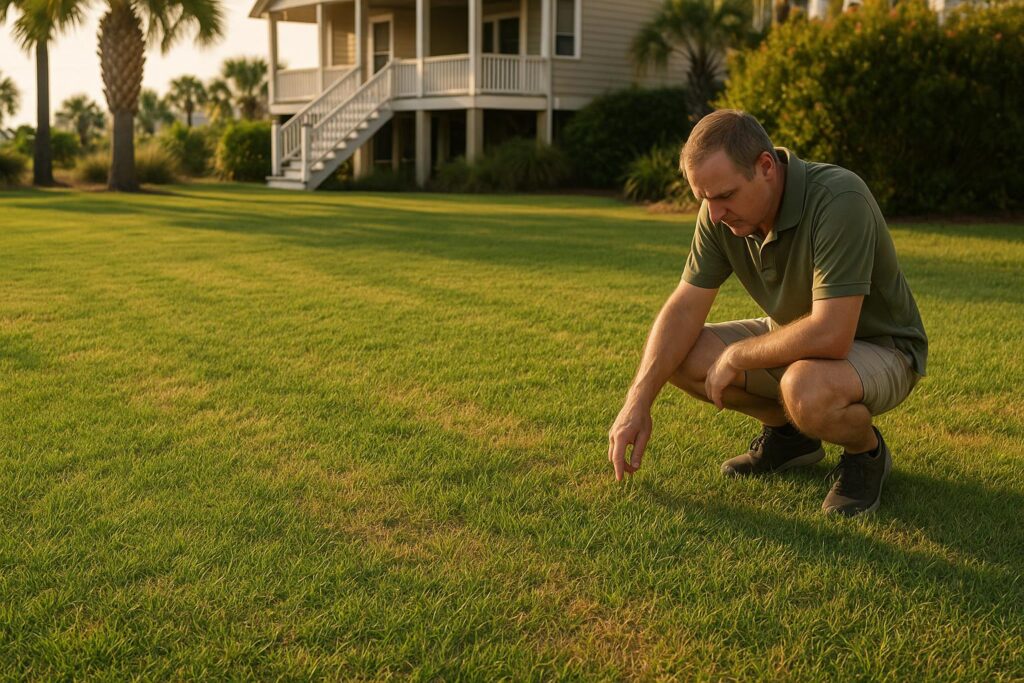
Before planning fall recovery, you need an honest inventory of where your lawn actually stands heading into late summer. Walk the entire property and note: areas with significant thinning or bare spots; zones where a persistent pest, disease, or drainage problem has caused cumulative damage through the summer; areas of weed encroachment into thin turf; and any irrigation coverage gaps you identified or noticed through summer stress patterns.
This assessment tells you what you are actually managing. A lawn with localized damage from a chinch bug or brown patch outbreak this summer has specific recovery areas to target. A lawn with widespread thinning from cumulative summer stress across the full property needs a different approach — likely soil nutrition support and possibly overseeding or patching with sod in multiple areas when the timing is right. Knowing which situation you are in changes your fall plan significantly.
Why the Fall Window Is Critical for Coastal SC Lawns
The fall period for North Myrtle Beach lawns — roughly mid-September through late October in coastal SC — is the most forgiving time of year for lawn recovery work. Soil temperatures are still warm enough for root activity and stolon growth, but air temperatures have dropped from summer’s extremes, significantly reducing drought stress, heat stress, and evapotranspiration demand on newly established turf. Centipede and St. Augustine sod planted in September on the Grand Strand establishes much faster and more successfully than sod planted in July’s peak heat.
The fall window closes as soil temperatures drop below 65°F — typically in November for coastal Horry County — after which root development essentially stops until spring. Planning your fall work now ensures you have materials sourced, professional services scheduled, and treatments timed correctly to take full advantage of this window rather than scrambling to act as it opens and potentially missing the optimal period.
Late Summer Fertilization: What Helps and What Hurts
The fertilization decision in late July and August is one of the most consequential of the year for centipede grass in North Myrtle Beach. Centipede is a low-fertility grass that is genuinely harmed by excess nitrogen — it responds with a flush of weak, thatch-forming growth that depletes root carbohydrate reserves and makes the lawn more vulnerable to winter injury from cold snaps. The “treat it well and it grows better” mindset that works on bermudagrass is actively counterproductive on centipede.
The appropriate approach for late July: if your centipede lawn has not received fertilizer since spring, a light application of a balanced, slow-release fertilizer (not high-nitrogen) in very early August can provide a modest nutrition lift heading into fall. If it was already fertilized in June or July, skip any additional summer applications entirely. Hold all nitrogen fertilizer on centipede grass after September 1 — late-season nitrogen delays dormancy hardening and significantly increases cold injury risk from North Myrtle Beach’s occasional winter cold snaps.
Getting Ahead of Fall Weed Pressure
Late summer is when annual weeds complete their summer life cycle and set seed for fall germination — and where turf is thin or damaged from summer stress, those seeds will find exactly the bare soil they need to establish rapidly in September and October. Addressing the thin and bare areas of your lawn now, through appropriate repair work and targeted weed suppression, reduces the weed population that moves into those areas this fall.
If your lawn has significant areas of annual weed pressure and you plan to do sod repairs in fall, plan the repairs before pre-emergent application timing — installing sod after applying a pre-emergent creates challenges, as pre-emergent products inhibit root establishment of new sod just as they inhibit seed germination. Coordinate the timing of pre-emergent application and sod installation with your lawn care provider to get the sequence right.
Planning Sod Repairs and Bare Area Recovery
For areas of the lawn that sustained significant damage this summer — from chinch bugs, brown patch, grub activity, or drought dormancy that did not recover — late September and early October are the optimal repair window in coastal SC. Sod installed during this window has soil temperatures adequate for root establishment before winter dormancy, reduced heat and drought stress, and time to knit together before the turf stops active growth for the season.
Start the planning process now: identify which areas need sod (versus areas that may fill in naturally if given time and support), contact your sod supplier to check availability of the right grass type for your property, and schedule your professional service if you are not doing the repair yourself. Quality centipede or St. Augustine sod from reputable coastal SC suppliers can sell out during peak fall repair season — having your order lined up in advance avoids delays that push installation past the optimal window.
Late July Action Checklist
1Complete your lawn damage assessment — walk the full property and document thin areas, bare spots, pest damage zones, and weed pressure areas.
2Adjust irrigation to early-morning scheduling if not already done — this reduces fungal disease risk for the remainder of summer and sets up a healthy pattern heading into fall.
3Evaluate fertilization needs — if you have not fertilized since spring and the turf looks nutrient-stressed, plan a very light, slow-release early August application. Otherwise hold.
4Plan your fall sod repairs — identify areas, source sod type, and contact service providers now to get on the fall schedule.
5Confirm pest treatment is current — grub prevention if not yet applied, and a follow-up check on any chinch bug or fungal pressure areas from earlier in the summer.
6Schedule a fall pre-emergent application for late August or early September to address winter annual weed pressure before seeds germinate.
Frequently Asked Questions
When is the best time to repair bare spots in a North Myrtle Beach lawn?
Late September through mid-October is the optimal window for sod repair in coastal SC. Soil temperatures are still adequate for root establishment, heat stress is significantly reduced from summer, and the turf has time to knit before winter dormancy. Repairs made in this window establish more reliably than summer repairs done in peak heat.
Should I fertilize my centipede lawn in August?
A very light application of slow-release fertilizer in very early August is acceptable if the lawn has not been fertilized since spring. Do not apply nitrogen fertilizer to centipede grass after September 1 — late-season nitrogen delays dormancy hardening and increases cold injury risk. Centipede is a low-fertility grass; more is not better.
How do I know if my lawn needs sod or will fill in on its own?
Small damaged areas (under 2 square feet) surrounded by healthy centipede or St. Augustine with good stolon density will typically fill in naturally through fall if given good conditions. Larger areas, areas with bare compacted soil, or spots that have been bare since early summer are better candidates for sod — centipede in particular spreads slowly and may not cover large bare areas before winter weed colonization occurs.
What pre-emergent should I use in fall in North Myrtle Beach?
Fall pre-emergent application in coastal SC targets winter annual weeds like annual bluegrass (poa annua), chickweed, and henbit. Apply when soil temperatures drop to around 70°F in late September or early October. Products containing prodiamine, pendimethalin, or dithiopyr are effective options for fall pre-emergent application on warm-season lawns.
Does KeckCo provide fall lawn recovery and sod repair services?
Yes. KeckCo Turf and Ornamental Services provides complete fall lawn recovery services for North Myrtle Beach and Grand Strand properties, including sod repair, pre-emergent application, aeration, and nutrient management programs designed to get coastal SC lawns through fall in optimal condition. Contact us now to schedule fall services before the peak season schedule fills.
When does centipede grass go dormant in North Myrtle Beach?
Centipede grass on the Grand Strand typically enters full dormancy when average temperatures consistently drop below 55°F — usually in late November through December in coastal Horry County, though this varies with year-to-year weather patterns. The grass will show some color change and slow growth well before full dormancy, beginning to transition in October as days shorten and temperatures moderate.
The lawns that look effortlessly great every fall in North Myrtle Beach are almost never the result of effortless management — they are the result of planning that started in late summer, while most of the neighborhood was still just reacting to the problems July created. Starting that planning process now, in late July, puts you in a fundamentally different position than waiting until September when the window has already opened and the best time to prepare for it has already passed.
Ready to plan your North Myrtle Beach lawn’s fall recovery?
KeckCo Turf and Ornamental Services provides fall lawn recovery planning, sod repair, pre-emergent applications, and complete fall lawn care throughout North Myrtle Beach and the Grand Strand. Call us now to get on the fall schedule.