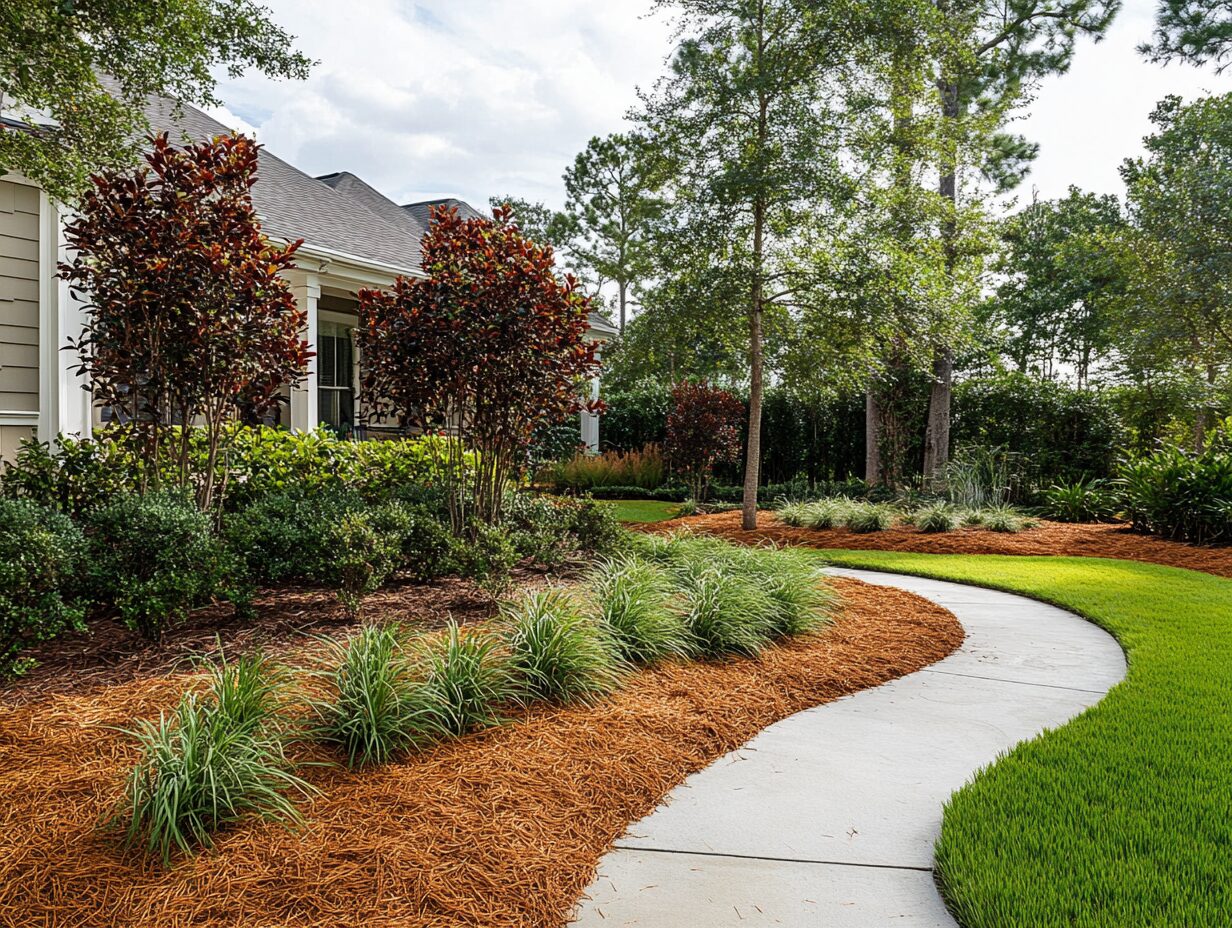


In coastal South Carolina, spring doesn’t arrive with a dramatic flourish. Instead, it slips quietly into the landscape — slightly warmer soil, longer daylight, and the first hints of green returning to dormant lawns. February may still feel like winter, but for lawns and landscapes across North Myrtle Beach, Little River, Loris, and surrounding communities, it is one of the most important months of the entire year.
What happens now determines how your lawn will look, grow, and perform through the demanding heat and humidity of summer. The right steps taken in February can mean the difference between a thick, healthy, resilient lawn — and one that struggles all season long.
Here’s what smart pre-spring lawn care looks like in coastal South Carolina, and why February deserves your attention.
Why February Lawn Care Matters in Coastal South Carolina
Unlike colder climates where turf remains frozen well into spring, our mild coastal winters allow grass and soil to begin waking up much earlier. Beneath the surface, root systems slowly reactivate, soil microbes become active, and nutrient movement begins again.
February is your window to:
- Prepare soil before active growth begins
- Correct winter compaction
- Inspect irrigation systems
- Prevent weed problems before they explode
- Set up your lawn for strong spring green-up
Skipping this phase often leads to thin turf, weed pressure, drainage issues, and expensive corrective treatments later.
Step 1: Inspect Lawn Health After Winter Dormancy
Even mild coastal winters can stress turf. Before taking action, a thorough inspection reveals what your lawn truly needs.
Look for:
- Compacted soil from foot traffic or rainfall
- Thinning turf in shaded or low-drainage areas
- Standing water or soggy spots
- Early weed emergence
- Yellowing or weak turf patches
This assessment becomes your blueprint for the season ahead.
Step 2: Aeration – Let Your Lawn Breathe Again
Winter rains combined with foot traffic often compress soil, especially in sandy coastal environments where compaction prevents roots from accessing oxygen and nutrients.
Professional aeration:
- Opens soil channels for air, water, and nutrients
- Encourages deeper root growth
- Improves fertilizer efficiency
- Enhances drought resistance
February is ideal for assessing whether aeration is needed before spring growth accelerates.
Step 3: Pre-Emergent Weed Control – The February Advantage
Weeds don’t wait for warm weather. Many aggressive spring weeds begin germinating when soil temperatures slowly rise — long before they become visible.
Applying pre-emergent weed control in February:
- Prevents crabgrass, spurge, and other summer weeds
- Reduces chemical treatments later
- Protects turf density
- Keeps lawns clean and uniform
This single step dramatically lowers weed pressure throughout the growing season.
Step 4: Soil Testing & Nutrient Preparation
Coastal South Carolina soils are naturally sandy and nutrient-deficient. Winter rainfall leaches vital nutrients deep below root zones, leaving turf undernourished just when growth begins.
A professional soil analysis identifies:
- pH imbalances
- Nutrient deficiencies
- Organic matter needs
Proper nutrient planning in February allows for targeted fertilization that promotes steady, healthy spring green-up — not forced growth that weakens turf.
Step 5: Irrigation System Inspection & Early Repairs
Irrigation systems often suffer subtle winter damage that goes unnoticed until spring demand skyrockets.
A February irrigation inspection helps:
- Detect leaks before they waste water
- Repair broken sprinkler heads
- Optimize spray patterns
- Prevent uneven watering
This ensures efficient hydration when turf begins active growth, while preventing water waste and costly repairs during peak season.
Step 6: Drainage Evaluation – Preventing Spring Saturation
Standing water after winter rains is more than an inconvenience. It suffocates roots, encourages disease, and weakens turf structure.
February is the perfect time to:
- Identify low spots
- Improve surface grading
- Install French drains or catch basins
- Correct poor runoff flow
Addressing drainage now prevents turf loss, mosquito breeding, and foundation concerns later.
Step 7: Bed Preparation & Seasonal Cleanup
Before spring planting begins, ornamental beds benefit from professional cleanup and preparation:
- Removing winter debris
- Re-defining bed edges
- Refreshing mulch or pine straw
- Pruning dormant ornamentals
This improves curb appeal immediately and prepares beds for vibrant spring color installations.
Why Professional Pre-Spring Lawn Care Makes the Difference
DIY lawn care often focuses on surface appearance. Professional care focuses on long-term turf health, soil performance, irrigation efficiency, and preventive strategies.
In coastal South Carolina’s demanding climate, expert planning and execution:
- Save homeowners money
- Improve turf durability
- Reduce chemical use
- Deliver stronger year-round results
Start Spring the Right Way with KeckCoTurf
At KeckCo Turf & Ornamental Services, we specialize in comprehensive pre-spring lawn care programs tailored specifically for the unique climate and soils of North Myrtle Beach, Little River, Loris, and surrounding coastal communities.
Our services include:
- Professional lawn inspections
- Aeration & soil conditioning
- Pre-emergent weed control
- Irrigation system startup & repair
- Drainage evaluation & solutions
- Bed preparation, mulch & pine straw installation
If you want a stronger, healthier lawn this spring — and fewer problems all year — now is the time to act.
Contact KeckCoTurf today for a professional lawn evaluation and personalized care plan.
📞 843-273-0735
🌐 https://keckcoturf.com