


Behind every lush green lawn lies a delicate balance of nutrients, timing, and care. Fertilization is both an art and a science — too little, and your turf struggles to grow; too much, and you can burn it beyond repair. In North Myrtle Beach, where sandy coastal soil drains quickly and nutrients leach away after heavy rain, feeding your lawn properly is essential. Understanding the science of fertilization gives your grass the strength to stay healthy, resist disease, and maintain that vibrant color year-round.
At KeckCo Turf and Ornamental Services, we’ve seen what happens when homeowners rely on guesswork instead of knowledge. Fertilization isn’t about dumping a bag of product on the lawn — it’s about understanding what your turf truly needs, and when it needs it most.
Understanding the Nutrient Trinity: N, P, and K
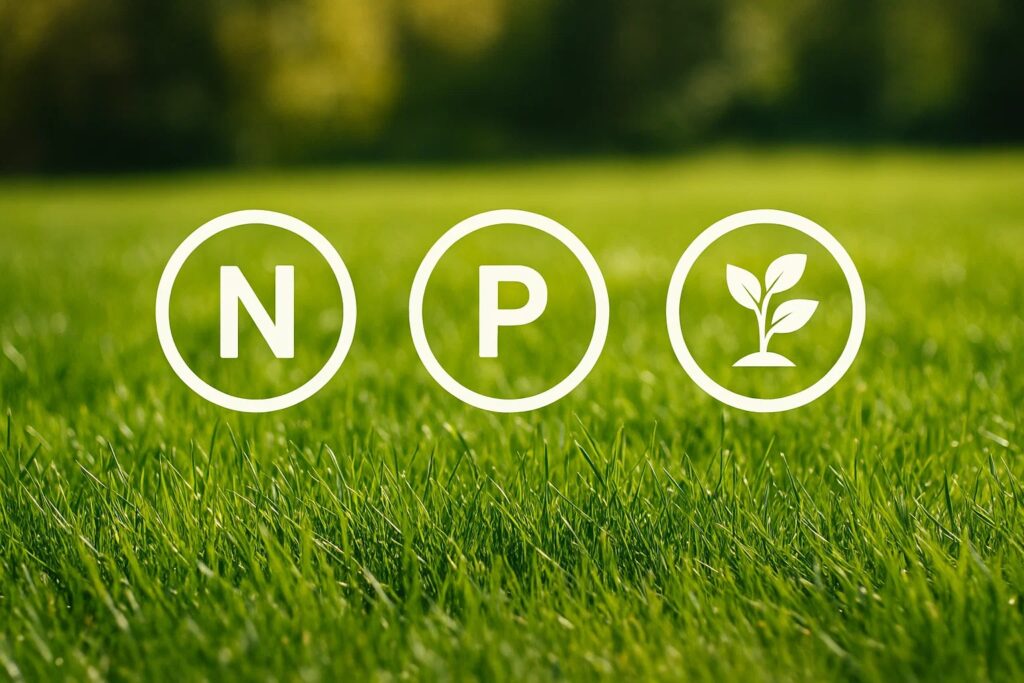
Every bag of fertilizer carries three numbers, such as 16-4-8. These represent Nitrogen (N), Phosphorus (P), and Potassium (K) — the three key nutrients your lawn depends on.
- Nitrogen (N) drives leafy growth and deep green color. Too little nitrogen leaves grass pale and weak; too much causes fast, shallow growth that invites pests and disease.
- Phosphorus (P) supports root development, especially important for newly seeded lawns. In coastal regions, soils often already contain enough phosphorus, so adding more can be wasteful or even harmful to local waterways.
- Potassium (K) strengthens the grass against stress from heat, cold, and drought — critical in North Myrtle Beach’s fluctuating coastal weather.
The right fertilizer blend depends on your soil test results, grass type, and seasonal timing. Without testing, you’re guessing — and guessing often means wasting money or damaging your turf.
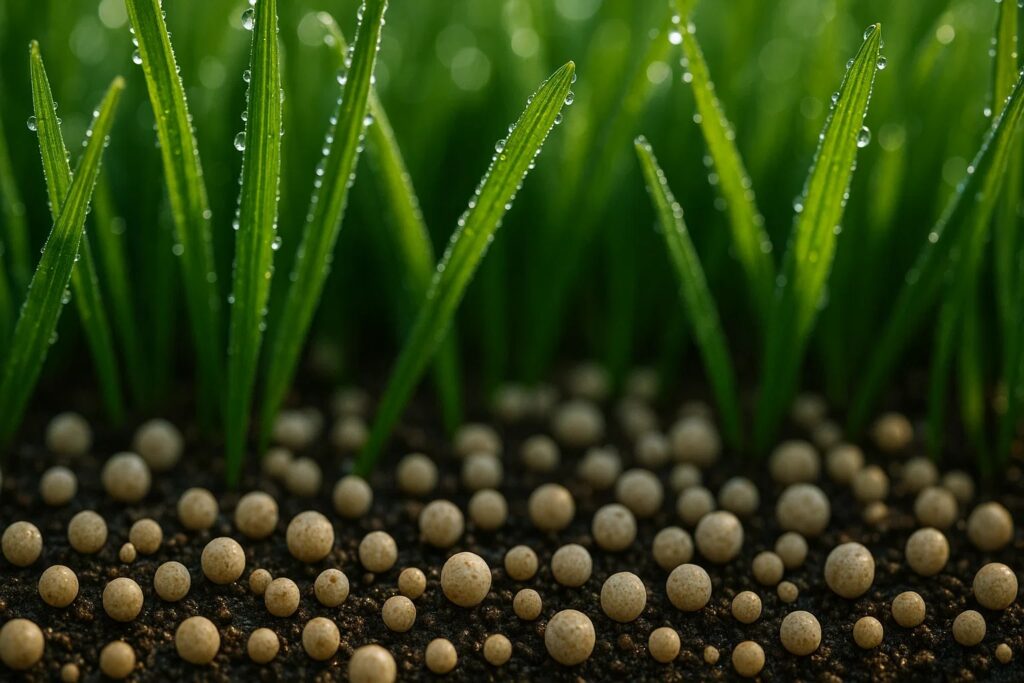
Timing Is Everything: When to Fertilize in North Myrtle Beach
Unlike northern lawns, which go dormant in winter, warm-season grasses like Bermuda, Zoysia, and Centipede follow a different rhythm. Their growing season peaks in the hot months, meaning timing fertilizer applications correctly makes all the difference.
- Early Spring (April–May):
Apply a balanced fertilizer once grass begins greening up. Avoid fertilizing too early — before the last frost — as it can force weak, premature growth. - Summer (June–August):
Warm-season grasses thrive now, but heavy rains can strip nutrients quickly. Choose a slow-release nitrogen formula to feed steadily without overstimulation. - Early Fall (September–October):
A lighter feeding helps your lawn recover from summer stress and prepares it for cooler nights. Avoid high-nitrogen formulas this late in the year to prevent frost damage. - Winter (November–February):
Skip fertilizing — grass is dormant and won’t absorb nutrients efficiently. Over-fertilizing during dormancy can harm the roots and pollute runoff areas.
Each grass type has its own rhythm. For example, Centipede lawns prefer lighter, infrequent feeding, while Bermuda benefits from regular maintenance throughout the growing season.
The Dangers of Over-Fertilizing
Fertilizer isn’t a “more is better” situation. Applying too much nitrogen at once can burn the grass, causing yellow or brown streaks. Overuse also leads to runoff pollution, where excess nutrients wash into storm drains and waterways, fueling algae growth that harms marine life.
Another hidden consequence is that over-fertilized lawns grow too fast, developing shallow root systems. That means more mowing, more water, and a lawn that collapses under stress. Balanced feeding, not overfeeding, is what builds resilience.
Organic and Eco-Friendly Options
For homeowners who prefer natural approaches, organic fertilizers offer a safe and sustainable option. These products release nutrients slowly and improve soil health over time by boosting microbial activity. Materials like compost, manure, and bone meal help restore organic matter — something coastal sandy soils desperately need.
At KeckCo Turf and Ornamental Services, we often combine organic and synthetic fertilizers to create a balanced approach — providing quick results while also enriching the soil for the long term.
Professional Fertilization: The Smart Way to Grow
Fertilization requires more than just choosing a bag off the shelf. It demands knowledge of soil chemistry, local climate, and turf type. That’s where professional care makes all the difference. Our specialists at KeckCo Turf and Ornamental Services conduct soil testing, develop custom nutrient programs, and apply products with precision.
We also monitor the results over time, adjusting applications as the seasons and weather patterns change. This proactive approach ensures your lawn gets exactly what it needs — no more, no less — while protecting your soil and nearby waterways.
Feed Your Lawn the Right Way with KeckCo Turf and Ornamental Services
Healthy lawns don’t happen by accident — they happen by science. Whether your turf looks dull, patchy, or just needs a boost, our team can bring it back to life with the right fertilization plan for North Myrtle Beach conditions.
Call 843-273-0735 or visit https://keckcoturf.com/ to schedule a consultation and give your lawn the nutrition it deserves. At KeckCo Turf and Ornamental Services, we make every blade of grass count.